
A fire door tender is usually lost at the technical stage, before anyone opens the price bid. The reasons are rarely about the door itself. They are about evidence: test proof that does not match the product offered, a make or brand that is not on the approved list, a missing document, or a rating written the wrong way. This article walks through seven places where fire door technical bids fail, and what to check before submission.
One caution first. Every tender is its own contract, and the bid document is the only authority on what it demands. Nothing below replaces reading your tender line by line. What follows is drawn from how fire door tenders are commonly worded and from the standard they cite, IS 3614:2021.
Why technical bids are rejected before price
Public tenders usually run in two envelopes. The technical bid is checked against eligibility criteria first, and only bidders who pass have their price opened. The buyer decides technical acceptability, and a bid that is incomplete or does not match the specification can be set aside without the evaluators ever comparing rates.
Scale makes this visible. In a Delhi High Court matter reported by SCC Online, 227 of 237 bids on a GeM tender were disqualified, each carrying the same remark, “Not Evaluated”. The court directed that reasons be communicated to the bidder within two weeks. The case is about a different product, but it shows how little room there is once a bid is marked down, and how rarely the reason is volunteered.
1. A test report that covers a different door
The most common mismatch
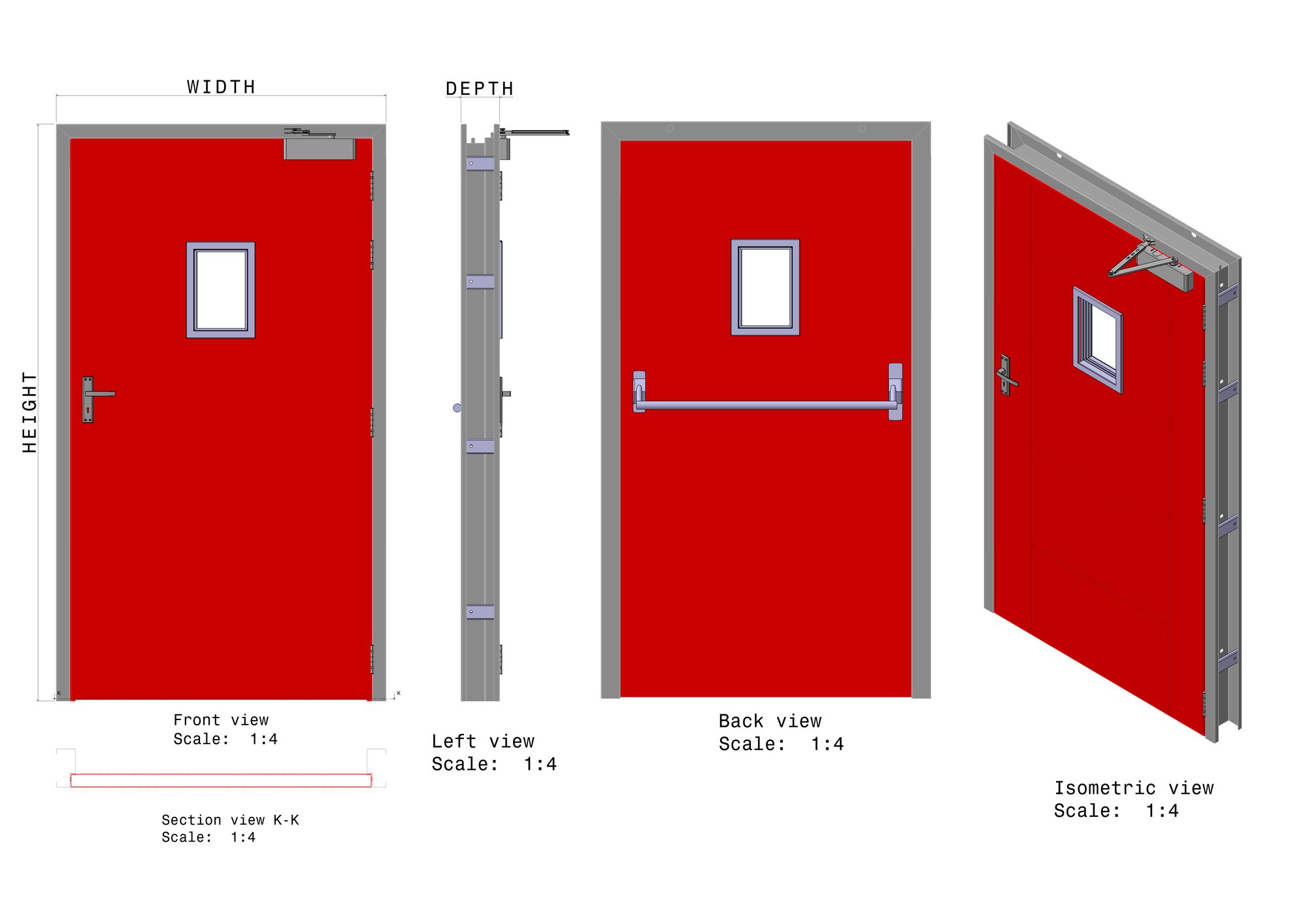
A fire resistance test is run on a specimen: one construction, one size, one leaf configuration, one rating. Under IS 3614:2021 the rating belongs to the complete doorset, not to a leaf or a frame on its own, as the post on fire door frames explains from Clause 7.2.4.
That is why evaluators compare the doorset in the bid with the doorset in the report. A report for a single leaf door does not automatically cover a double leaf. A report for a solid leaf does not cover the same door with a vision panel. If the tender needs a 120-minute double leaf door with glazing, the evidence has to point to that construction, or to one the test report clearly includes.
2. Test evidence that cannot be verified
A certificate is not a report
Tenders for fire doors commonly ask that the product be approved by a fire research laboratory, with CBRI named as an example. One SBI tender for fire resistance doors reads that an equivalent brand must be “approved by any Fire Research Laboratory, Council of Scientific & Industrial Research (CSIR) - Central Building Research Institute (CBRI) approved lab” and must fulfil three criteria: Stability, Integrity and Insulation.
That wording matters. A summary page with a rating on it is not the same as a report that shows all three criteria for the exact specimen. Buyers and consultants who have been caught before ask for the full report, with specimen drawings, test date and laboratory details. The detail of how to check this is in the guide to CBRI, BIS and ISI verification.
The laboratory side can be checked too. The BIS portal lists the CBRI Roorkee testing scope, and item 6 reads IS 3614 (2021), “Specification of Fire Doors and Assembly”.
3. The wrong standard or the wrong revision
Cite the revision the tender cites
Specifications for fire doors cite IS 3614 in different ways. Some name the 2021 revision, some name only the part, and older documents may still carry a superseded edition. A bid that quotes a different revision from the one in the schedule invites a query at best and a rejection at worst.
The fix is boring and effective: copy the standard reference exactly as the tender writes it, then state the revision your product is certified to. Valtrix publishes its IS 3614:2021 certification on the certificate page, so a buyer can read it without asking.
4. Make and brand restrictions
Approved OEM lists
Some tenders limit applicants to named makes, with a clause allowing an “equivalent” brand. In the SBI document the bank has to find an equivalent brand acceptable, and the equivalent has to meet the laboratory approval and the three criteria above. An equivalent is not accepted because the bidder says so.
If you bid as an equivalent, the equivalence file does the work: test report, certification, drawings, and a side-by-side against the specified product. If you are the manufacturer, say so plainly and attach the evidence. If you are a dealer, show your authorisation from the manufacturer, in the form the tender asks for.
5. Missing or inconsistent documents
The checklist problem
Technical evaluation sheets are checklists, and a checklist has no partial credit. An unsigned annexure, a page missing from a scanned file, a certificate that has lapsed, or a company name that differs between documents can each end the evaluation. Several institutions publish their technical evaluation checklists, and the pattern is the same: each item is marked met or not met.
Before upload, build your own table of contents against the tender’s list. Number every document, check dates and validity on every certificate, and read the file the way the evaluator will: from the first page, without any prior explanation from you.
6. The rating written loosely
Say FD120, not “two-hour door”
Tenders specify performance in minutes: FD30, FD60, FD90, FD120 or FD180. A bid that offers a door that is “fire resistant” without a stated rating, or a rating that does not match the schedule item, reads as non-responsive. The FD60 or FD120 post covers how ratings map to parts of a building, which is useful when a bill of quantities lists several.
Match each item in the bid to each line of the schedule: location, rating, leaf type, size, finish. If the bill of quantities has twelve lines, the technical bid should answer twelve lines.
7. Glazing, hardware and frames left out of the offer
The doorset is the unit
Because the doorset is what is tested, the glazing, hinges, closer, locks and seals are part of the evidence. A schedule item for a door with a vision panel needs a glazing system that sits inside the tested assembly, which is the subject of the post on fire rated door glazing. A bid that prices the door and leaves hardware to the contractor can be treated as incomplete.
A pre-submission check you can run in one hour
If a bid is rejected
Do not assume the evaluator will explain. Ask for the reasons in writing through the tender portal or the named officer, and keep the date of your request. The Delhi High Court matter above is a useful reminder that courts have expected tendering authorities to give reasons, but a rejection on a clear technical ground is difficult to reverse. The better investment is the hour before submission.
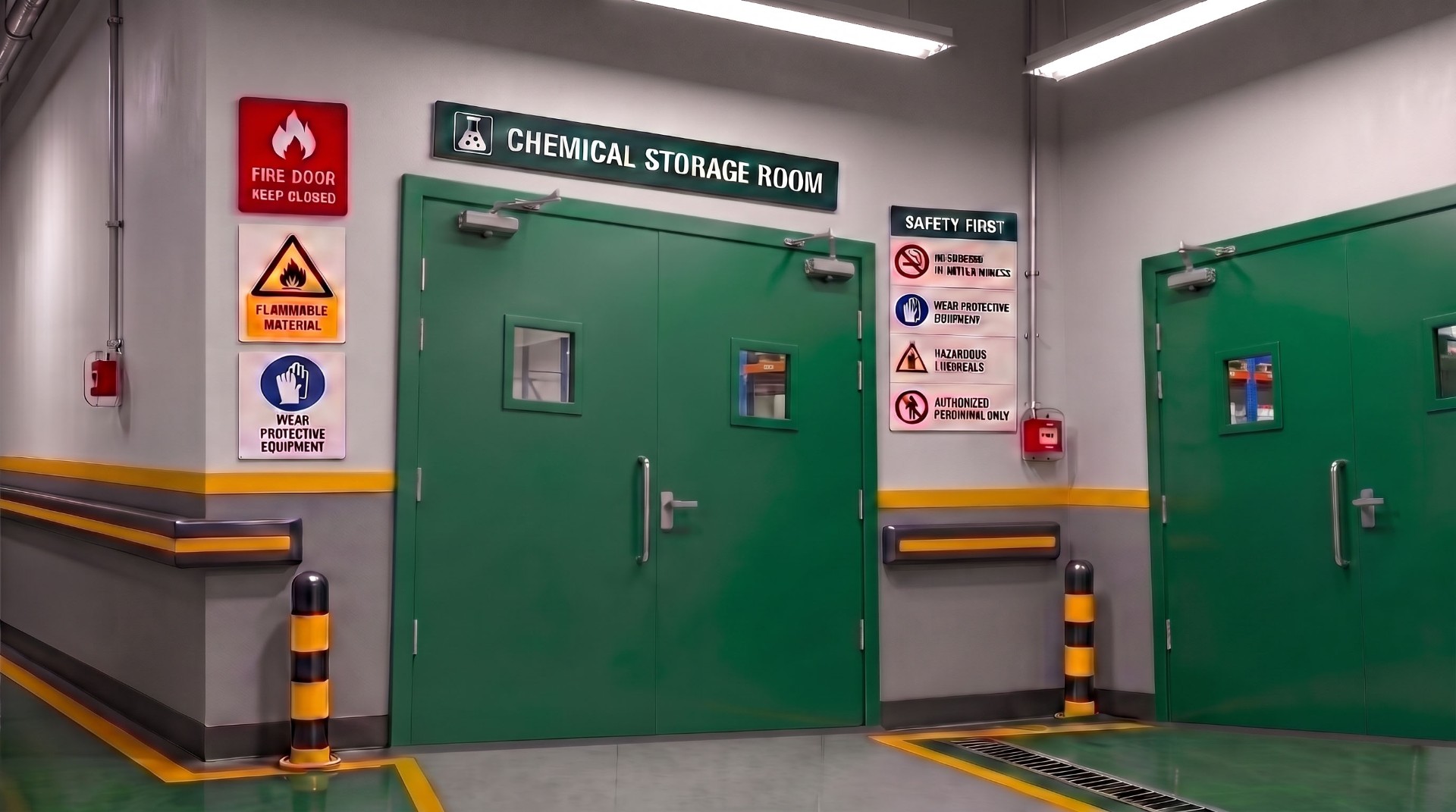
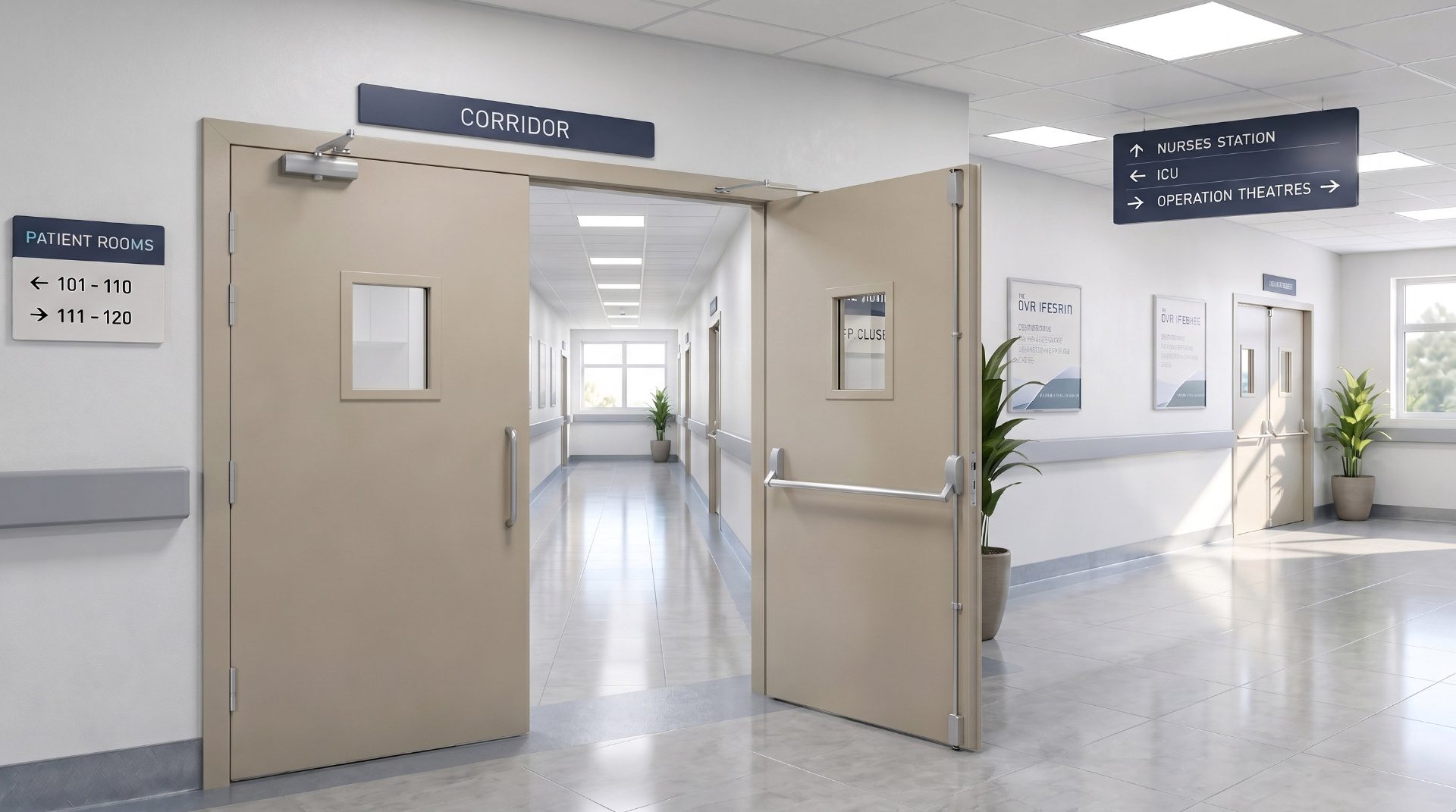
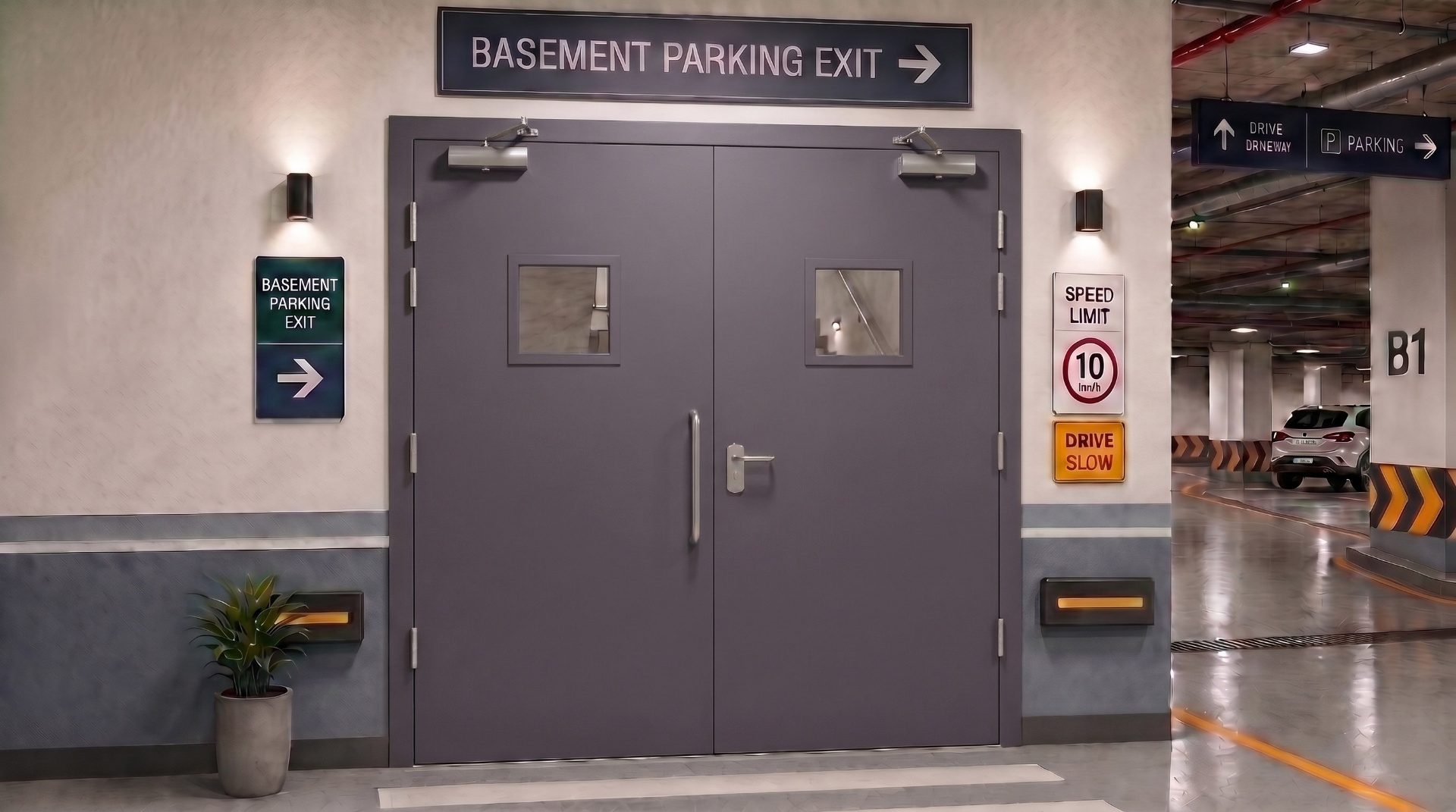
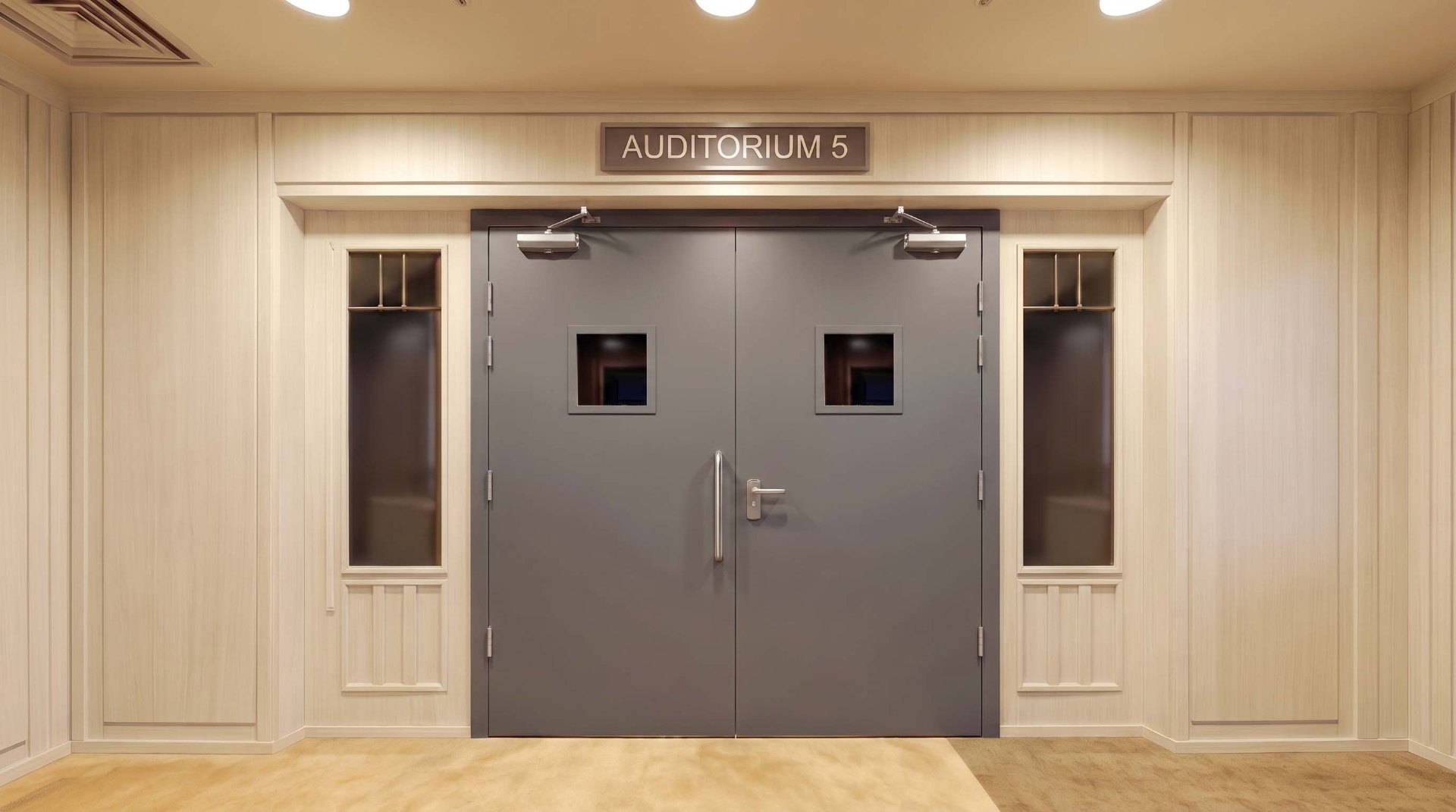
Valtrix manufactures IS 3614:2021 certified fire doors from FD30 to FD180 in Fully Insulated, Partially Insulated, Uninsulated and Acoustic families, single and double leaf, using laser cutting, CNC bending, CO2 welding and powder-coated finishes. See the product range and the industries served for the doorsets that tender schedules commonly name.
Frequently asked questions
Why do fire door tenders get rejected at the technical stage?
Because the technical bid is checked against eligibility criteria before price is opened. Common grounds are test evidence that does not match the product offered, a missing or lapsed document, a make that is not approved, and a rating that is not stated against each schedule item.
What test evidence do fire door tenders usually ask for?
Many tenders ask for approval by a fire research laboratory, naming CBRI, and for proof that the door meets Stability, Integrity and Insulation. Read your own tender: the exact wording, validity period and accepted laboratories differ from one buyer to the next.
Is a certificate enough, or do I need the full test report?
Provide the report wherever the tender allows. A certificate shows a rating, while the report shows the specimen, the date, the laboratory and the criteria met. Evaluators and consultants often want the report so they can compare the tested construction with the doorset offered.
Can a double leaf door use a single leaf test report?
Do not assume so. A test covers the construction that was tested. If the tender needs a double leaf doorset, or a door with a vision panel, make sure the evidence covers that configuration, or ask the manufacturer to confirm in writing what the report includes.
What can I do if my fire door bid is rejected?
Ask for the reasons in writing through the portal or the named officer. Check the rejection against the bid document’s own criteria. If the reason was never communicated, a representation or a legal remedy may be available, and a lawyer experienced in public procurement is the right person to advise.

 Fully InsulatedView Details →
 Partially InsulatedView Details →
 UninsulatedView Details →
 AcousticView Details →